When a little girl named Lily twirls her crayons around a paper, her fingers seem to move like a lazy river—slow, uncoordinated, and sometimes missing the mark. For many parents, this might simply feel like a quirky childhood phase. Yet, for some children, these subtle clumsy movements are a window into a deeper challenge: autism in girls motor skill delays. This article Click here! explores why motor skill delays matter, how they present in girls, and what families and professionals can do to help.
Understanding the Landscape
Autism spectrum disorder (ASD) has long been associated with boys, but research now shows that girls are often under‑identified. The diagnostic bias stems partly from the fact that girls tend to mask their symptoms and may exhibit different behavioral patterns. One of the most common but under‑noticed areas is motor development.
- Motor skill delays are not just about clumsiness; they can affect handwriting, sports participation, and daily self‑care. In girls, these delays sometimes coexist with strengths in language and social imitation, making the overall picture more complex. Early intervention can significantly improve outcomes, but only if the delays are spotted early.
> “The best way to predict the future is to create it.” – Abraham Lincoln
This quote reminds us that early action can shape a child’s trajectory in profound ways.
Why Motor Skill Delays Matter
Motor skills are the foundation of many life‑skills. Imagine building a house: the foundation must be solid before adding walls and a roof. Similarly, if a child’s motor system is shaky, other Visit this site developmental areas may struggle to hang on. For girls, motor skill delays can mask or mimic other conditions, leading to misdiagnosis or delayed support.
**Rhetorical question: What if the subtle signs are overlooked?
Rhetorical question: How many girls are silently struggling because their motor challenges are dismissed as “just a phase”? These questions underscore the urgency of awareness.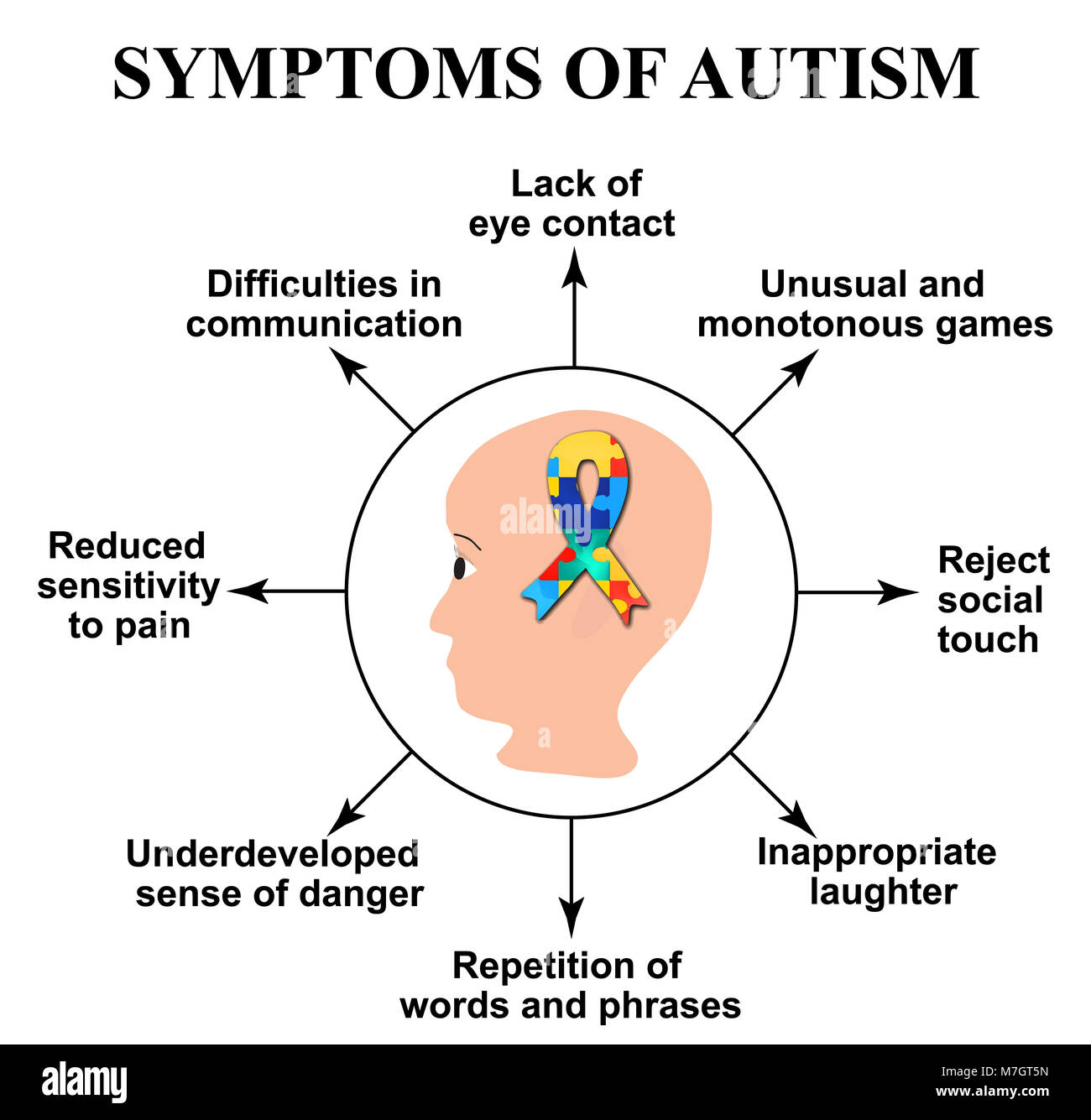 The Hidden Puzzle Piece Think of motor skill delays as a hidden puzzle piece that, once found, completes the picture of a child’s development. Without it, the image remains incomplete, and caregivers may be left guessing. Signs and Symptoms in Girls Motor skill delays can manifest in various ways. While some signs are obvious—clumsy hand movements, trouble with fine motor tasks—others are more subtle. Fine Motor Challenges Difficulty tying shoelaces or buttoning shirts Slow or uneven handwriting Trouble with cutting, drawing, or using utensils Gross Motor Challenges Trouble catching a ball or coordinating with peers during recess Difficulty with balance or climbing Unsteady gait or frequent tripping Social and Emotional Impact Frustration leading to tantrums Withdrawal from activities that require coordination Lower self‑confidence in social settings Anecdote I once met a teacher who described a student, Maya, who could recite the alphabet flawlessly but would sit for hours, struggling to hold a crayon. When the teacher noticed Maya’s frustration, she arranged a brief occupational therapy session. Within weeks, Maya’s confidence grew, and she even started participating in class art projects. Maya’s story illustrates how early recognition can unlock a child’s potential. Assessment and Diagnosis Diagnosing ASD in girls, especially when motor delays are present, requires a multidisciplinary approach. A typical evaluation includes: Developmental history from parents and teachers Standardized motor assessments (e.g., Bruininks–Oseretsky Test of Motor Proficiency) Autism screening tools (e.g., M-CHAT‑R, ADOS) Observation of play and social interaction Key Takeaway Early and comprehensive assessment is essential. A delay in motor skills can be a red flag, but it is not a diagnosis on its own. It should prompt a deeper look into the child’s overall development. Interventions and Support Once a diagnosis is confirmed, the next step is targeted intervention. The goal is to build motor skills while supporting other developmental domains. Occupational Therapy Fine motor drills : threading beads, using tweezers, practicing handwriting Sensory integration : activities that help the brain process touch, proprioception, and balance Physical Therapy Balance exercises, gait training, and coordination drills Sports‑specific training to build confidence and peer interaction Classroom Accommodations Extra time for tasks requiring fine motor precision Use of adaptive tools (e.g., pencil grips, scissors with safety features) Structured movement breaks to improve focus Parent and Caregiver Strategies Modeling : Demonstrate tasks slowly and clearly Positive reinforcement : Celebrate small victories Consistent routines : Predictable schedules reduce anxiety Light Humor Remember, practice makes perfect—just like a toddler learning to ride a bike. It’s okay if the first attempt ends in a splash of paint or a toppled tower of blocks. The key is to keep the momentum going. Family and Community Strategies Support doesn’t end at therapy sessions. Families and communities play a pivotal role in fostering growth. Peer support groups : Share experiences, resources, and coping strategies. School partnerships : Collaborate with teachers and administrators for individualized education plans (IEPs). Community programs : Enroll in adaptive sports or arts classes tailored for children with motor challenges. Metaphor Think of the support network as a safety net. When a child takes a leap—whether into a new activity or a challenging classroom task—the net catches them, ensuring they don’t fall into frustration or isolation.
  Looking Forward: Hope and Advocacy The landscape of autism research is evolving. New studies reveal that motor skill delays are often an early indicator of ASD in girls, opening doors for earlier intervention. Advocacy is crucial—raising awareness, pushing for inclusive curricula, and ensuring funding for specialized therapies. Rhetorical question: How many more girls will benefit if we shift from “waiting for the problem” to “seeking early signs”? Rhetorical question: What if we all became better listeners, not just to words, but to the subtle tremors of a child’s motor challenges? By staying informed, asking the right questions, and advocating for early assessment, we can help girls with autism in girls motor skill delays** flourish.
The Final Piece of the Puzzle
In closing, recognizing and addressing motor skill delays in girls is not just about correcting clumsiness—it’s about unlocking a child’s full potential. Every tiny improvement in coordination can ripple outward, boosting confidence, social engagement, and academic success. Families, educators, and clinicians must work together, treating each child as a unique puzzle whose missing piece may be a hidden motor challenge.
If you suspect your child may be experiencing motor skill delays, reach out to a pediatrician or developmental specialist. Early assessment can pave the way for tailored interventions that turn a stumbling block into a stepping stone. Remember, every child’s journey is a story worth telling—and every story deserves the chance to be heard.